

Introduction
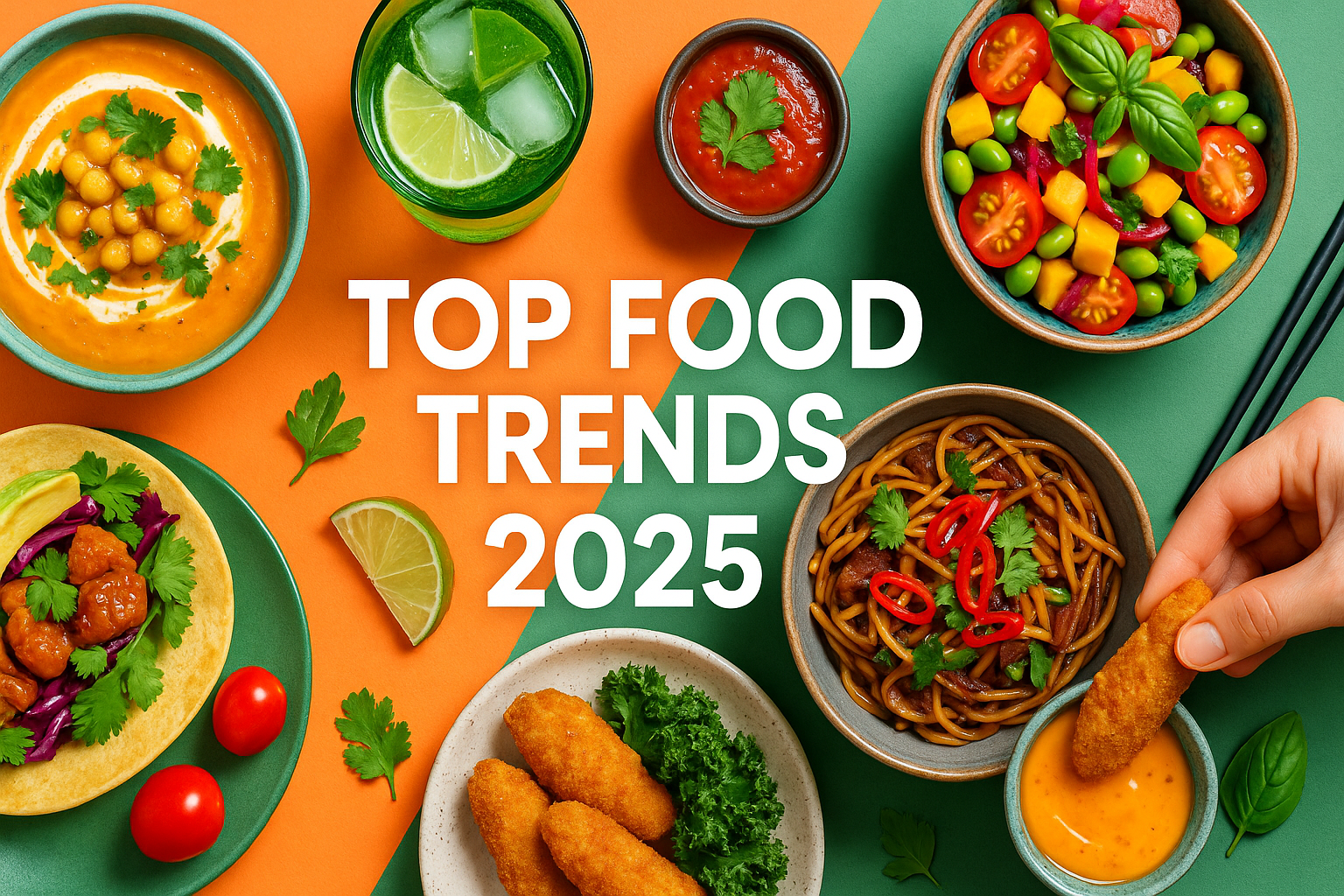
Food is not just sustenance—it’s an experience. In 2025, culinary trends are evolving faster than ever, driven by innovation, sustainability, and global influences. From plant-based creations to high-tech cooking methods, food enthusiasts now have more exciting options than ever before. Whether you’re a home cook, a foodie traveler, or someone looking to eat healthier, staying updated with the latest trends can inspire your meals and elevate your dining experiences.
In this blog, we’ll explore the top food trends to try in 2025, highlighting flavors, ingredients, and innovations that are shaping the global culinary scene.
1. Plant-Based and Alternative Proteins
Plant-based diets continue to grow in popularity, fueled by health awareness and sustainability concerns. In 2025, alternative proteins such as pea protein, lab-grown meat, and algae-based products are becoming mainstream. These options provide delicious, eco-friendly ways to enjoy familiar dishes while reducing the environmental footprint.
Restaurants and brands are innovating with plant-based burgers, seafood alternatives, and dairy-free cheeses, offering flavors and textures that rival traditional animal products.
2. Functional Foods for Health and Immunity
Consumers are increasingly looking for foods that do more than taste good—they want foods that support wellness. Functional foods, enriched with probiotics, adaptogens, vitamins, and minerals, are trending in 2025.
Examples include gut-friendly yogurt, antioxidant-rich smoothies, and herbal-infused beverages. These foods not only nourish the body but also enhance immunity, mental clarity, and overall well-being.
3. Global Flavors and Fusion Cuisine
As travel and cultural exchange continue to inspire culinary creativity, global flavors and fusion dishes are trending. Expect to see blends of traditional Asian, African, Latin American, and Middle Eastern cuisines with modern twists.
Popular trends include Korean-Mexican tacos, Mediterranean-Japanese bowls, and African-inspired street food. These innovative combinations provide exciting, flavorful experiences for adventurous eaters.
4. Sustainable and Zero-Waste Cooking
Sustainability is a key focus in 2025. Chefs and home cooks are embracing zero-waste techniques, using entire ingredients, repurposing leftovers, and minimizing packaging.
From root-to-stem cooking with vegetables to nose-to-tail utilization of meat, sustainable cooking practices reduce food waste while creating inventive, flavorful dishes. Consumers are also gravitating toward seasonal and locally sourced ingredients for fresher, eco-friendly meals.
5. Functional Beverages and Mocktails
The beverage industry is evolving with functional drinks that go beyond hydration. In 2025, expect herbal tonics, kombucha, adaptogenic drinks, and vitamin-infused waters to be on the rise.
Alcohol-free mocktails, low-sugar craft sodas, and CBD-infused beverages are also gaining popularity, catering to health-conscious consumers who want flavor, creativity, and wellness benefits in every sip.
6. High-Tech and Innovative Cooking Methods
Technology is changing how we cook and eat. In 2025, high-tech culinary tools like precision cookers, 3D food printers, and AI-assisted recipe apps are transforming kitchens.
Sous-vide cooking, molecular gastronomy, and smart appliances allow chefs and home cooks to experiment with flavors, textures, and presentation. This trend bridges science and creativity, resulting in meals that are as innovative as they are delicious.
7. Fermented and Gut-Friendly Foods
Fermented foods continue to be a health and culinary trend. Kimchi, miso, kombucha, kefir, and pickled vegetables are celebrated for their probiotic benefits. In 2025, these gut-friendly foods are being incorporated into mainstream menus, from snacks and sauces to drinks and desserts.
Fermentation not only supports digestive health but also adds unique, complex flavors to dishes, making them a must-try trend.
8. Ethically Sourced and Transparent Ingredients
Consumers are more conscious about the origins of their food. In 2025, there’s a strong emphasis on ethically sourced ingredients, fair trade practices, and transparency in labeling.
Farm-to-table restaurants, ethical seafood sourcing, and clear ingredient lists are becoming standard. This trend empowers consumers to make informed choices while supporting responsible businesses.
9. Experiential Dining and Interactive Meals
Food experiences are becoming more immersive. Pop-up restaurants, chef’s tables, interactive cooking workshops, and multi-sensory dining events are trending in 2025.
These experiences focus on storytelling, creativity, and engagement, allowing diners to participate in the culinary journey rather than simply consuming a meal. Experiential dining adds excitement and emotional connection to every bite.
10. Comfort Foods with a Modern Twist
Classic comfort foods are being reinvented for the modern palate. In 2025, expect gourmet mac-and-cheese, artisanal pizza, and creative takes on fried chicken and burgers.
These dishes blend nostalgia with innovation, often incorporating global flavors, plant-based alternatives, or healthier ingredients, offering familiarity with a fresh twist.
Conclusion
The food landscape in 2025 is diverse, innovative, and focused on health, sustainability, and memorable experiences. From plant-based alternatives and functional foods to immersive dining and high-tech cooking, these trends reflect the evolving preferences of consumers who seek flavor, wellness, and creativity in every bite.
Exploring these food trends allows individuals to experiment, eat consciously, and enjoy culinary adventures that are as enriching as they are delicious. Whether you’re a home cook, a foodie traveler, or someone simply seeking healthier options, 2025 promises a flavorful year full of exciting culinary possibilities.