

Introduction
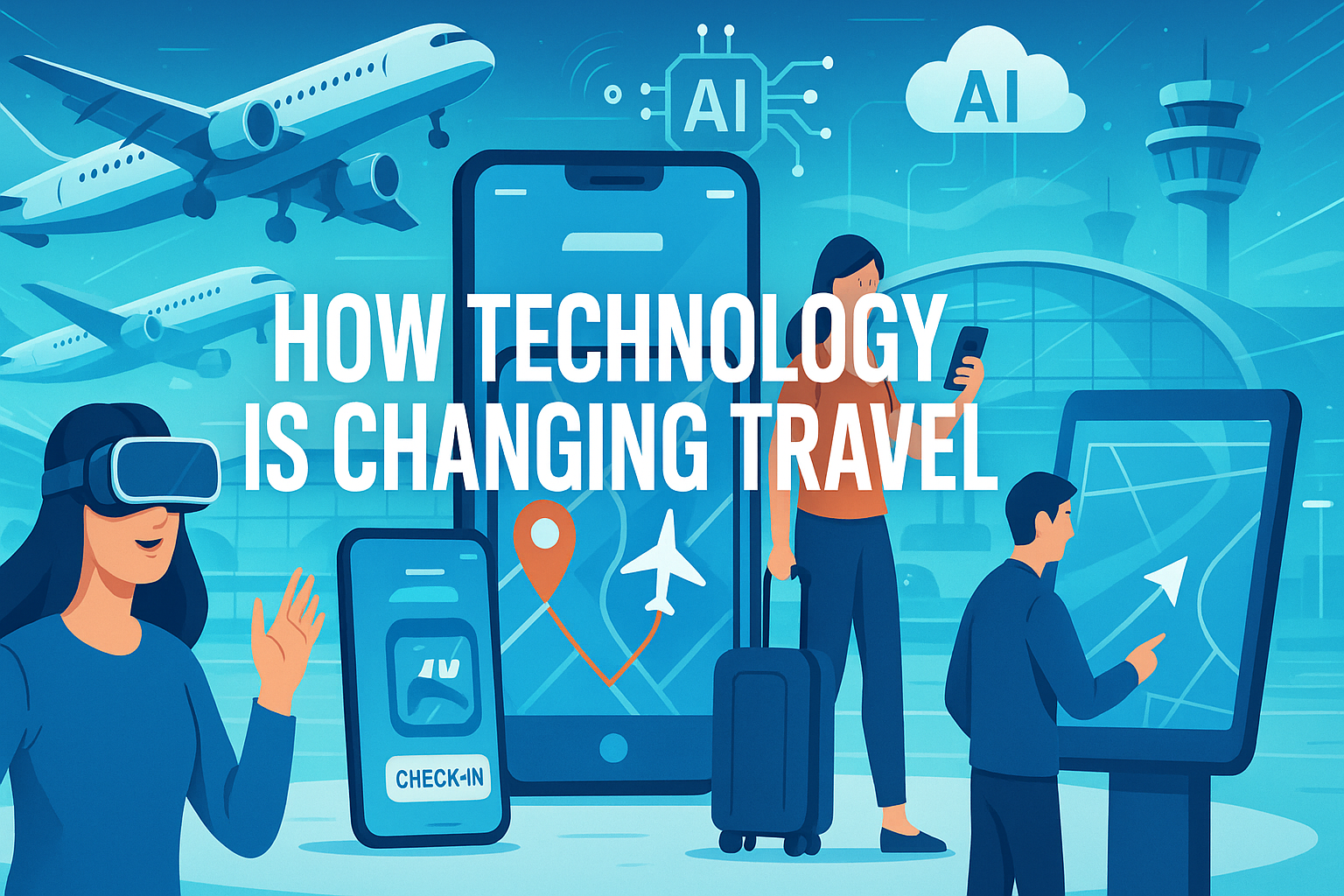
Travel has always been about discovering new places, meeting new people, and experiencing the world in fresh ways. But in the last decade, technology has transformed travel more than ever before. Today, planning a trip, booking flights, exploring new cities, and staying safe on the journey have all become easier thanks to smart devices, apps, artificial intelligence, and digital innovations.
From virtual tours to AI-powered assistants, technology has completely reshaped the way we explore the world. Travelers now enjoy convenience, comfort, faster decision-making, and higher levels of personalization. Whether you’re a solo backpacker or a luxury traveler, the impact of technology touches every step of your journey.
In this blog, we’ll explore how modern technology is changing travel in 2025 and why these advancements are making global exploration more exciting than ever before.
Smarter Trip Planning Through AI and Apps
Gone are the days when travelers had to rely on travel agents or printed guidebooks. In 2025, artificial intelligence is helping people plan their trips more intelligently. Travel apps now analyze user interests, search history, budget, and travel style to recommend personalized itineraries.
AI-powered platforms help travelers discover the best flights, hotels, restaurants, and attractions based on real-time preferences. Instead of spending hours comparing options, travelers get instant recommendations that match their needs. This personalized planning saves time and makes travel stress-free.
Digital Payments Making Travel Seamless
Travelers today expect convenience when it comes to money matters. Thanks to digital payment systems, cash is no longer a necessity. Digital wallets, QR payments, virtual cards, and global fintech apps make it easy to pay anywhere in the world.
Cryptocurrency-friendly destinations are also growing, allowing travelers to pay for hotels, food, and activities with digital coins. This shift toward cashless travel improves safety, reduces currency exchange hassles, and provides smooth financial experiences.
Smartphones Becoming the Ultimate Travel Companion
Smartphones have replaced multiple travel essentials. A single device now acts as your camera, map, translator, guide, ticket holder, and entertainment source. With apps for navigation, language translation, transportation, and local recommendations, travelers depend heavily on their phones throughout their journey.
Features like offline maps and instant translation help visitors navigate foreign cities without fear of getting lost or misunderstood. Smartphones have become a complete travel tool that makes exploring new destinations simple and enjoyable.
Virtual Reality Enhancing Pre-Travel Experiences
Virtual Reality (VR) allows travelers to preview destinations before booking. From hotel rooms to mountain trails, VR tours provide immersive experiences that help users decide where to visit. This technology allows travelers to explore museums, beaches, and attractions virtually, gaining a clear idea of what to expect.
In 2025, travel agencies are using VR to showcase package tours, while hotels use it to present virtual walk-throughs. This digital preview boosts traveler confidence and improves decision-making.
Faster and Smarter Booking Systems
The travel industry has embraced automation in flight, hotel, and activity bookings. Travelers can now book everything within minutes through mobile apps or websites. Smart booking engines compare multiple options and offer the best deals instantly.
E-ticketing and digital boarding passes have eliminated the need for printed documents. With one scan of a QR code, travelers can check in, board flights, or enter hotels. These fast, digital systems save time and reduce paper waste.
Social Media Inspiring Global Exploration
Social media plays a huge role in how people choose travel destinations. Platforms like Instagram, TikTok, and YouTube influence millions of travelers every day. Short videos, travel vlogs, and destination reviews help people discover new places and hidden gems.
Influencers and travel creators provide real insights about hotels, restaurants, and activities. Their recommendations guide travelers in making decisions more confidently. Social media has become a powerful inspiration engine that fuels wanderlust worldwide.
Smart Airports and Contactless Travel
Airports around the world are becoming smarter with biometric scanning, facial recognition, automated luggage drops, and digital immigration gates. These technologies make the travel experience smoother, faster, and safer.
Contactless check-ins allow travelers to move through airports with minimal waiting time. Biometric systems reduce queues and improve security. By 2025, most major airports have adopted smart technologies that provide a futuristic travel experience.
Navigation and Location Tools Enhancing Exploration
GPS navigation tools have made traveling easier than ever. Apps like Google Maps, Apple Maps, and offline navigation services guide travelers with turn-by-turn directions, local traffic updates, and recommended routes.
Exploring new cities, hiking trails, or remote areas is now safer with real-time location tracking. Travelers can also share their live location with family and friends for additional safety, especially during solo trips.
Sustainable Travel Solutions Through Technology
Technology is also promoting eco-friendly travel. From electric vehicles to carbon-footprint tracking apps, travelers can make greener choices. Booking platforms highlight eco-certified hotels, while ride-sharing services reduce the need for individual car rentals.
Travelers can also use apps that measure the environmental impact of flights and provide greener alternatives. Technology is guiding tourists toward sustainability without compromising comfort or adventure.
Hotels Using Smart Technology for Better Stays
Hotels in 2025 are becoming smarter with digital room keys, automated lighting, temperature control, and voice-activated assistants. Guests can adjust room settings through their phones or through voice commands.
Smart hotel systems personalize the stay by remembering guest preferences for future visits. This creates a more comfortable and luxurious experience. Technology is making hospitality more intuitive, efficient, and guest-friendly.
Language Translation Breaking Barriers
Language barriers once made travel difficult, but modern translation tools have changed everything. Travelers can communicate easily with locals using instant translation apps. These tools translate speech, text, menus, signs, and conversations in real-time.
This advancement opens doors to deeper cultural experiences, allowing travelers to explore confidently even in remote or non-English speaking regions.
Ride-Sharing and Mobility Apps Improving Local Travel
Apps like Uber, Lyft, Ola, and local ride-sharing services have become essential for city travel. They allow travelers to explore comfortably without relying on unfamiliar public transport.
Electric scooters, e-bikes, and shared mobility services offer affordable and eco-friendly ways to move around. With real-time tracking and secure payment systems, traveling within cities has become far more convenient.
Digital Safety Tools Protecting Travelers
Safety is a major concern for travelers, and technology provides solutions that enhance protection. GPS tracking, emergency contact apps, SOS features, secure booking platforms, and AI fraud detection help create safer travel experiences.
Travelers can also monitor weather alerts, political updates, and local safety information through dedicated apps. These tools ensure smarter decision-making and safer journeys.
Conclusion
Technology has completely transformed the travel world, making the entire journey—from planning to returning home—more efficient, exciting, and safe. In 2025, travelers enjoy smarter tools, improved navigation, seamless payments, personalized recommendations, and immersive experiences that didn’t exist a decade ago.
This digital revolution allows people to travel with greater confidence and convenience. Whether it’s exploring virtual tours before booking, using AI for smarter itineraries, paying digitally, or navigating with real-time tools, technology enhances every moment of the adventure.
As innovation continues, the future of travel will become even more connected, sustainable, and immersive. One thing is certain: technology is not just improving the way we travel—it is redefining it entirely.