

Introduction
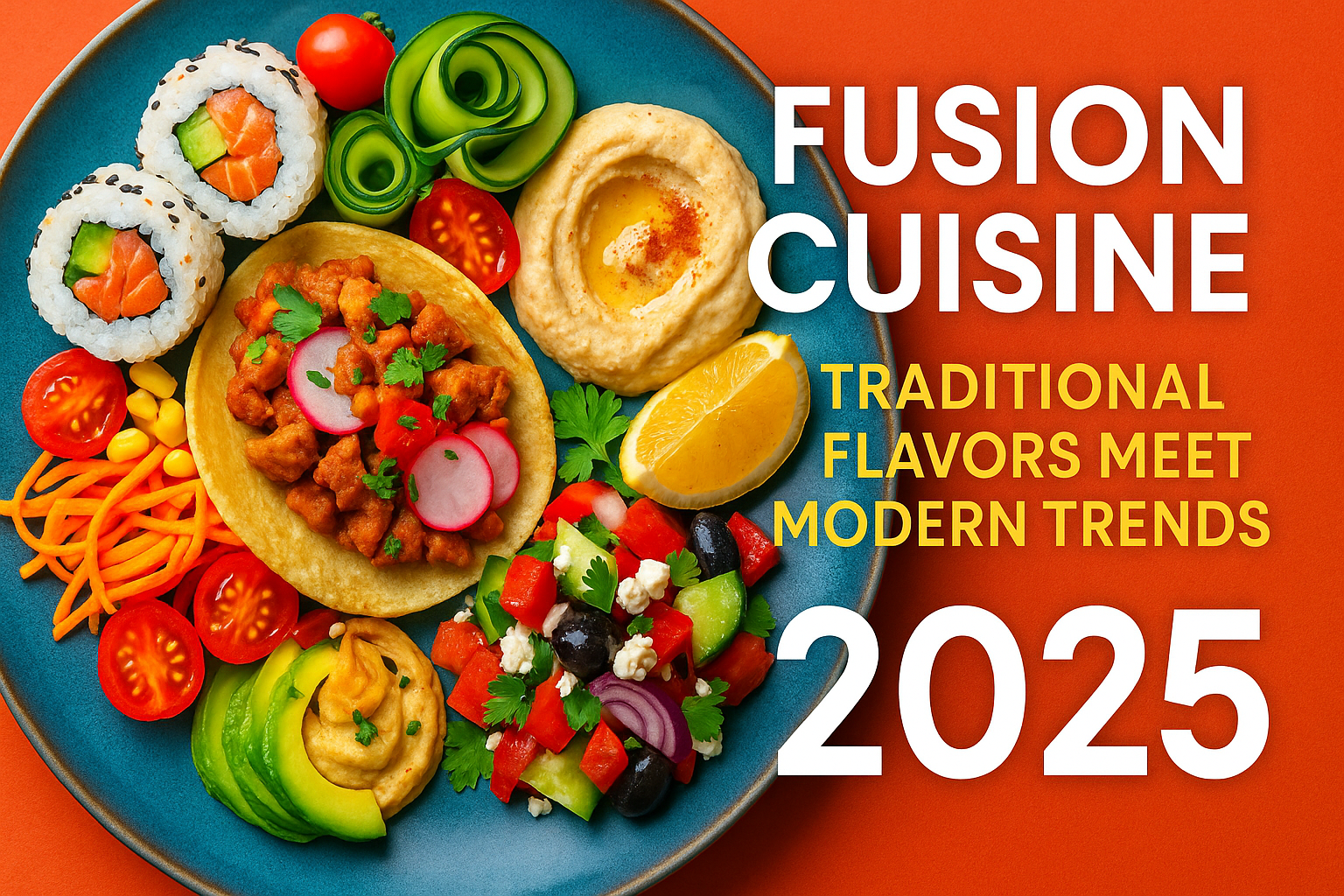
Food is not just sustenance—it’s a cultural expression. In 2025, fusion cuisine is one of the most exciting trends in the culinary world. Fusion cuisine combines traditional flavors from different regions with modern techniques and creative twists, offering diners bold, unexpected, and delicious experiences.
From street food to gourmet dining, fusion cuisine celebrates diversity, innovation, and experimentation. This blog explores what fusion cuisine is, why it’s gaining popularity, and how chefs and home cooks are blending the old with the new to delight taste buds worldwide.
What Is Fusion Cuisine?
Fusion cuisine is the art of combining culinary traditions, ingredients, and techniques from different cultures. Unlike traditional recipes that stick to specific regional methods, fusion dishes encourage creativity and experimentation.
Some common types of fusion cuisine include:
- Asian-Fusion: Sushi burritos, kimchi tacos, Thai-inspired pasta
- Mediterranean-Fusion: Hummus pizza, falafel burgers
- Latin-Asian Fusion: Korean BBQ tacos, Peruvian-Asian stir-fries
The goal is to balance flavors, textures, and presentation while creating something fresh and innovative.
Why Fusion Cuisine Is Popular in 2025
- Globalization of Food Culture
Travel, social media, and international chefs have exposed diners to flavors from around the world, creating a demand for novel combinations. - Health-Conscious Innovations
Fusion allows chefs to create dishes that incorporate healthy, nutrient-rich ingredients without compromising taste. - Instagram-Worthy Presentations
Diners increasingly value visual appeal. Fusion dishes often mix vibrant colors, textures, and creative plating that are visually stunning. - Culinary Creativity
Chefs enjoy experimenting with flavors and techniques, pushing culinary boundaries while honoring tradition.
Popular Fusion Trends in 2025
1. Plant-Based Fusion
Plant-based alternatives are now a staple in fusion cuisine. Chefs creatively substitute meat with tofu, jackfruit, tempeh, or legumes while blending traditional flavors.
- Example: Vegan sushi tacos with spicy sriracha mayo and fresh vegetables.
2. Global Street Food Fusion
Street food has become a major influence in modern fusion cuisine. Combining flavors from street vendors across continents creates bold and accessible dishes.
- Example: Tandoori chicken bao buns or Korean BBQ tacos.
3. Dessert Fusion
Desserts are also evolving. Bakers mix flavors and textures from different cultures to create indulgent yet sophisticated sweets.
- Example: Matcha tiramisu, churro ice cream sandwiches, or baklava brownies.
4. Beverage and Cocktail Fusion
Mixology is embracing fusion too, combining ingredients from different cuisines.
- Example: Lychee mojito with ginger syrup or turmeric-spiced lattes.
5. Smart, Sustainable Fusion
Sustainability is shaping fusion cuisine. Chefs experiment with local, seasonal ingredients while fusing traditional and modern flavors.
- Example: Mediterranean-inspired quinoa bowls with local greens and Asian-style dressings.
Tips for Home Cooks to Explore Fusion Cuisine
- Start Simple: Combine familiar ingredients with one new flavor at a time.
- Balance Flavors: Consider sweet, sour, salty, bitter, and umami to avoid overpowering the dish.
- Experiment with Techniques: Try grilling, steaming, or pickling to create new textures.
- Stay Inspired: Watch cooking shows, read cookbooks, or follow global culinary blogs.
- Respect Traditions: Fusion is about creativity, not erasing the essence of traditional dishes.
The Future of Fusion Cuisine
In 2025, fusion cuisine continues to evolve. Expect to see:
- More AI-driven recipe innovations, where algorithms suggest unexpected flavor pairings.
- Increased emphasis on sustainable ingredients.
- Interactive dining experiences, where diners customize fusion dishes.
- Greater availability in home cooking kits and meal subscription services.
Fusion cuisine bridges cultures, encourages experimentation, and turns eating into an adventure. Its growth is fueled by curiosity, creativity, and a desire for bold, memorable flavors.
Conclusion
Fusion cuisine represents a delightful intersection of tradition and innovation. By blending flavors, techniques, and cultural influences, chefs and home cooks create dishes that are unique, exciting, and memorable.
Whether you’re dining at a gourmet restaurant, exploring street food, or experimenting in your kitchen, fusion cuisine allows you to celebrate diversity, embrace creativity, and savor new culinary experiences. In 2025, the world of food is more adventurous than ever, and fusion cuisine leads the way.