
Introduction
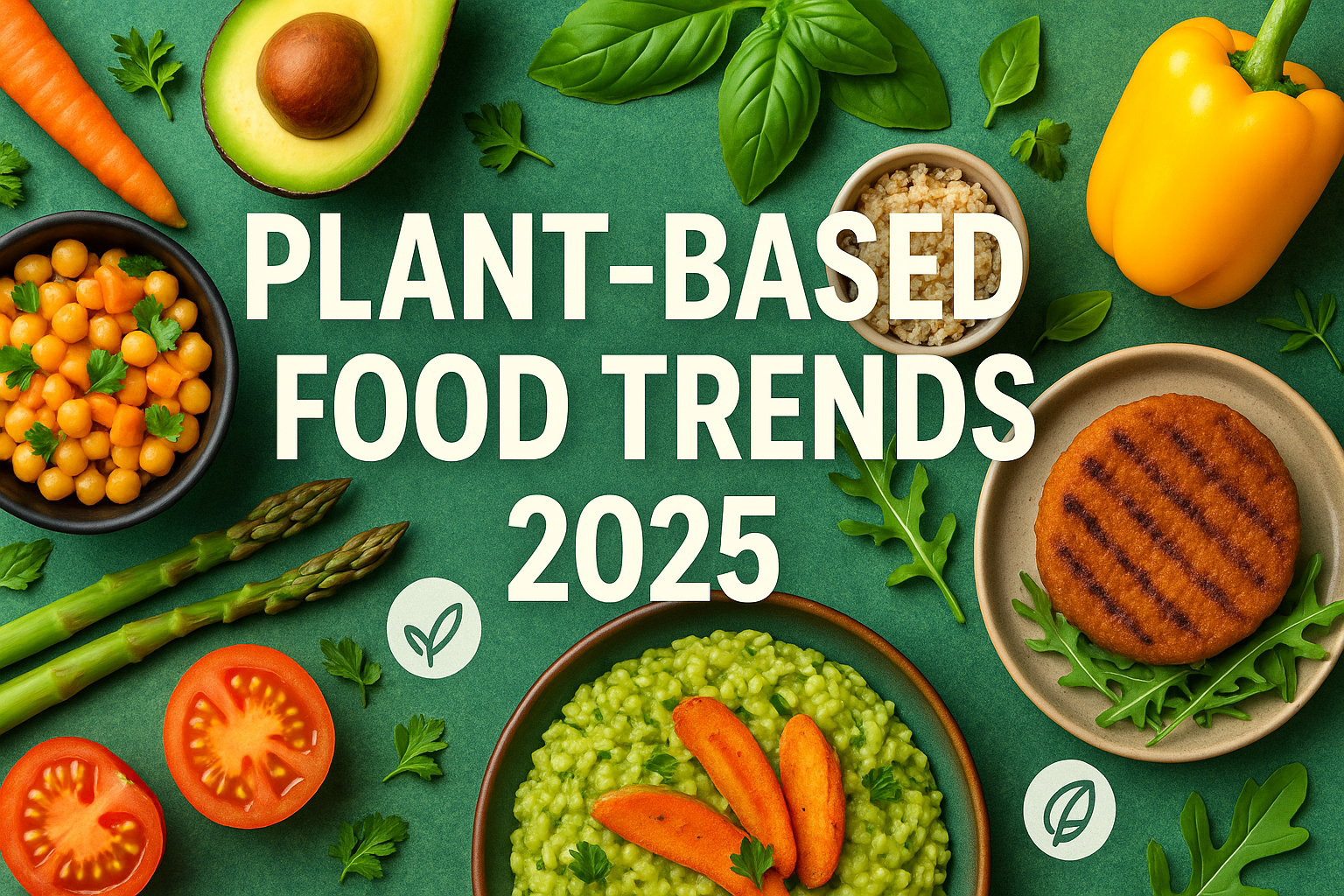
In recent years, plant-based diets have moved from niche health trend to mainstream culinary revolution. More than just a dietary choice, plant-based eating is reshaping the way chefs, restaurants, and food companies approach flavor, creativity, and sustainability. In 2025, plant-based cuisine is no longer limited to salads and smoothies—it’s evolving into an innovative culinary movement that appeals to food lovers of all kinds.
From lab-grown meat alternatives to plant-based cheeses and gourmet vegetables, the plant-based trend is redefining menus worldwide. This blog explores how plant-based diets are changing the culinary landscape and why this movement is here to stay.
The Rise of Plant-Based Alternatives
Plant-based alternatives are at the forefront of this culinary shift. Companies are creating plant-based burgers, sausages, seafood substitutes, and dairy-free cheeses that closely mimic traditional animal-based products. These innovations are driven by advances in food science, flavor engineering, and sustainability awareness.
In 2025, plant-based alternatives are not just for vegans—they appeal to flexitarians, health-conscious consumers, and environmentally minded eaters. The taste, texture, and nutritional profile of these products continue to improve, making them mainstream options in restaurants and home kitchens alike.
Impact on Restaurants and Menus
Restaurants worldwide are embracing plant-based options, incorporating innovative dishes that highlight vegetables, legumes, grains, and plant-based proteins. Fine-dining chefs are experimenting with techniques like fermentation, sous-vide vegetables, and molecular gastronomy to create complex flavors and visually stunning dishes.
Casual eateries and fast-food chains are also adding plant-based items to their menus, making these options accessible to a broader audience. In 2025, it’s common to see plant-based meals featured prominently rather than as an afterthought.
Health and Wellness Focus
Plant-based diets are often associated with numerous health benefits, including lower cholesterol, improved heart health, and reduced risk of chronic diseases. As awareness grows, more consumers are adopting plant-forward eating patterns to support wellness.
Chefs and nutritionists are collaborating to design meals that are not only flavorful but also nutritionally balanced, ensuring that plant-based dining meets the needs of diverse consumers.
Sustainability and Environmental Impact
One of the driving forces behind plant-based diets is sustainability. Animal agriculture contributes significantly to greenhouse gas emissions, water consumption, and deforestation. By shifting toward plant-based foods, the culinary industry is helping reduce environmental impact.
Restaurants and food brands are highlighting sustainable sourcing, local ingredients, and plant-forward menus, reflecting consumer demand for eco-conscious dining in 2025.
Innovation in Ingredients and Techniques
Plant-based cuisine has inspired innovation in ingredients and cooking techniques. Legumes, ancient grains, jackfruit, mushrooms, and plant proteins are being used creatively to replicate textures and flavors of traditional meat and dairy products.
Cooking methods such as smoking, roasting, and marinating enhance flavors, while plant-based chefs are experimenting with global culinary traditions to create fusion dishes that are both exciting and satisfying.
Influence on Global Culinary Trends
The plant-based movement is influencing global culinary trends. Street food, fine dining, and casual eateries are all incorporating plant-forward options. Social media and food influencers are amplifying plant-based creativity, inspiring chefs and home cooks to experiment with vegan and vegetarian dishes.
Food festivals, cooking competitions, and culinary schools are now showcasing plant-based innovations, signaling that this trend is not just temporary—it’s shaping the future of food.
Plant-Based Eating Beyond Restaurants
Plant-based diets are expanding beyond traditional meals. Ready-to-eat meals, snack products, beverages, and desserts are all embracing plant-forward innovation. From protein bars and plant-based ice creams to dairy-free cheeses and egg alternatives, these products cater to the growing demand for convenient, healthy, and sustainable options.
In 2025, plant-based foods are mainstream, widely available, and appealing to diverse demographics around the world.
Conclusion
Plant-based diets are transforming the culinary world by inspiring creativity, promoting sustainability, and offering health-conscious alternatives that appeal to a broad audience. Chefs, restaurants, and food brands are innovating with ingredients, cooking techniques, and menu design, making plant-based cuisine an exciting and integral part of global dining culture.
As more people embrace plant-forward eating in 2025, the culinary landscape will continue to evolve, highlighting flavors, innovation, and responsible consumption. Whether you’re a vegan, flexitarian, or simply a curious foodie, plant-based cuisine offers endless possibilities to explore, savor, and enjoy—all while supporting personal health and the planet.
