

Introduction
In today’s fast-paced world, busy professionals often face stress, burnout, and anxiety. Balancing work, personal life, and responsibilities can take a toll on mental health. In 2025, there is increasing awareness about the importance of mental well-being, and professionals are seeking effective strategies to cope with stress, maintain focus, and enhance resilience.
Mental health is not a luxury—it’s a necessity for sustained productivity and overall life satisfaction. This blog explores practical coping strategies for busy professionals to improve mental health and maintain balance in their lives.
Recognizing the Signs of Stress and Burnout
The first step in managing mental health is recognition. Common signs of stress and burnout include:
- Persistent fatigue or low energy
- Difficulty concentrating or making decisions
- Irritability or mood swings
- Sleep disturbances
- Decreased motivation or productivity
Early recognition allows professionals to take action before stress escalates into chronic mental health challenges.
Practice Mindfulness and Meditation
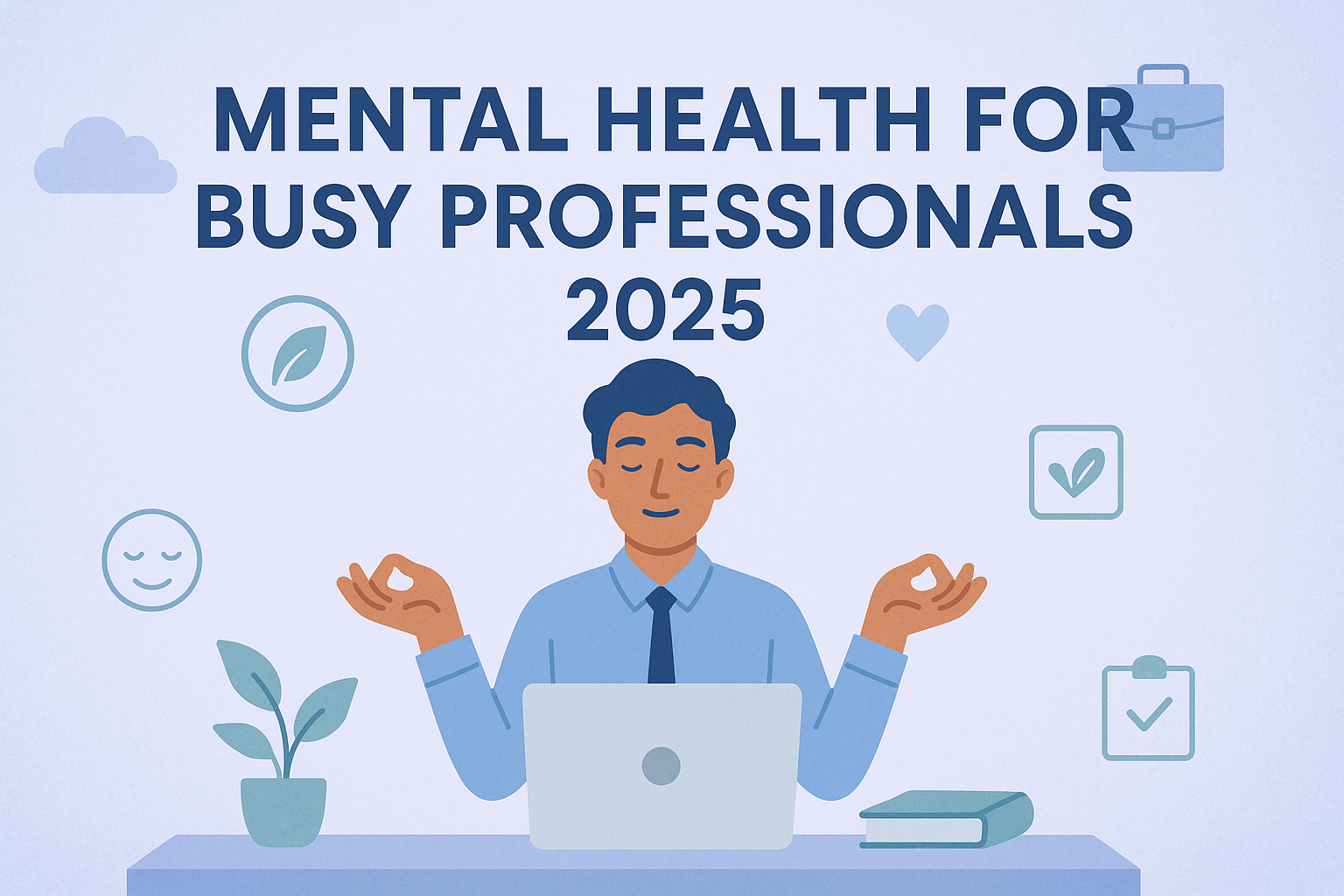
Mindfulness and meditation are powerful tools for reducing stress and improving focus. Even short, daily sessions of 5–10 minutes can enhance emotional regulation, lower cortisol levels, and improve decision-making.
In 2025, mindfulness apps with personalized meditation programs, guided breathing exercises, and stress tracking are increasingly accessible, making it easier for busy professionals to incorporate mindfulness into their routines.
Exercise Regularly
Physical activity is closely linked to mental well-being. Exercise releases endorphins, reduces anxiety, and improves mood. Professionals can integrate workouts into their schedules through:
- Quick home workouts
- Lunchtime walks
- Yoga or stretching sessions
- Gym visits before or after work
Consistency is more important than duration, and even short bursts of activity can significantly improve mental health.
Prioritize Sleep
Quality sleep is essential for mental clarity, stress management, and overall health. Busy professionals should aim for 7–9 hours of uninterrupted sleep per night.
Strategies for better sleep include maintaining a regular sleep schedule, avoiding screens before bedtime, and creating a calm, comfortable sleep environment. Some professionals also use sleep-focused apps or white-noise machines for improved rest.
Time Management and Boundaries
Effective time management helps reduce stress by creating structure and preventing overload. Professionals can benefit from:
- Prioritizing tasks and setting realistic deadlines
- Delegating responsibilities where possible
- Scheduling breaks to recharge
- Learning to say no when workload exceeds capacity
Setting clear boundaries between work and personal life is essential to prevent burnout and maintain emotional health.
Connect with Support Networks
Social support is vital for coping with stress. Busy professionals should maintain connections with friends, family, mentors, or colleagues who provide encouragement and understanding.
In 2025, virtual support groups, mental health forums, and online counseling services make it easier to access professional and peer support, even with a busy schedule.
Healthy Nutrition and Hydration
What we eat affects how we feel. A balanced diet with whole grains, fruits, vegetables, lean proteins, and healthy fats can improve energy levels and mood.
Staying hydrated, reducing caffeine and sugar intake, and incorporating snacks that stabilize blood sugar can help professionals maintain focus and reduce irritability throughout the day.
Seek Professional Help When Needed
Mental health professionals, including therapists, counselors, and psychiatrists, provide personalized guidance and strategies for managing stress, anxiety, or depression.
In 2025, teletherapy and online counseling platforms make mental health care more accessible for busy professionals who may not have time for in-person sessions.
Incorporate Hobbies and Relaxation
Engaging in hobbies, creative pursuits, or leisure activities provides a break from work stress and promotes overall well-being. Whether it’s reading, painting, cooking, or music, dedicating time to enjoyable activities can enhance mood and reduce burnout.
Conclusion
Mental health awareness is crucial for busy professionals in 2025. By recognizing stress, practicing mindfulness, exercising, prioritizing sleep, managing time, and maintaining social connections, professionals can effectively cope with daily pressures.
Additionally, healthy nutrition, relaxation, and seeking professional support when needed ensure a holistic approach to mental well-being. Investing in mental health is not just beneficial for personal life—it also enhances productivity, creativity, and overall satisfaction.
By incorporating these coping strategies, busy professionals can navigate the demands of modern work life while maintaining a balanced, healthy, and fulfilling lifestyle.