

Introduction
In today’s competitive e-commerce landscape, providing a generic shopping experience is no longer enough. Consumers expect websites and apps to understand their preferences, recommend relevant products, and provide a seamless shopping journey. This is where personalization powered by Artificial Intelligence (AI) has become a game-changer.
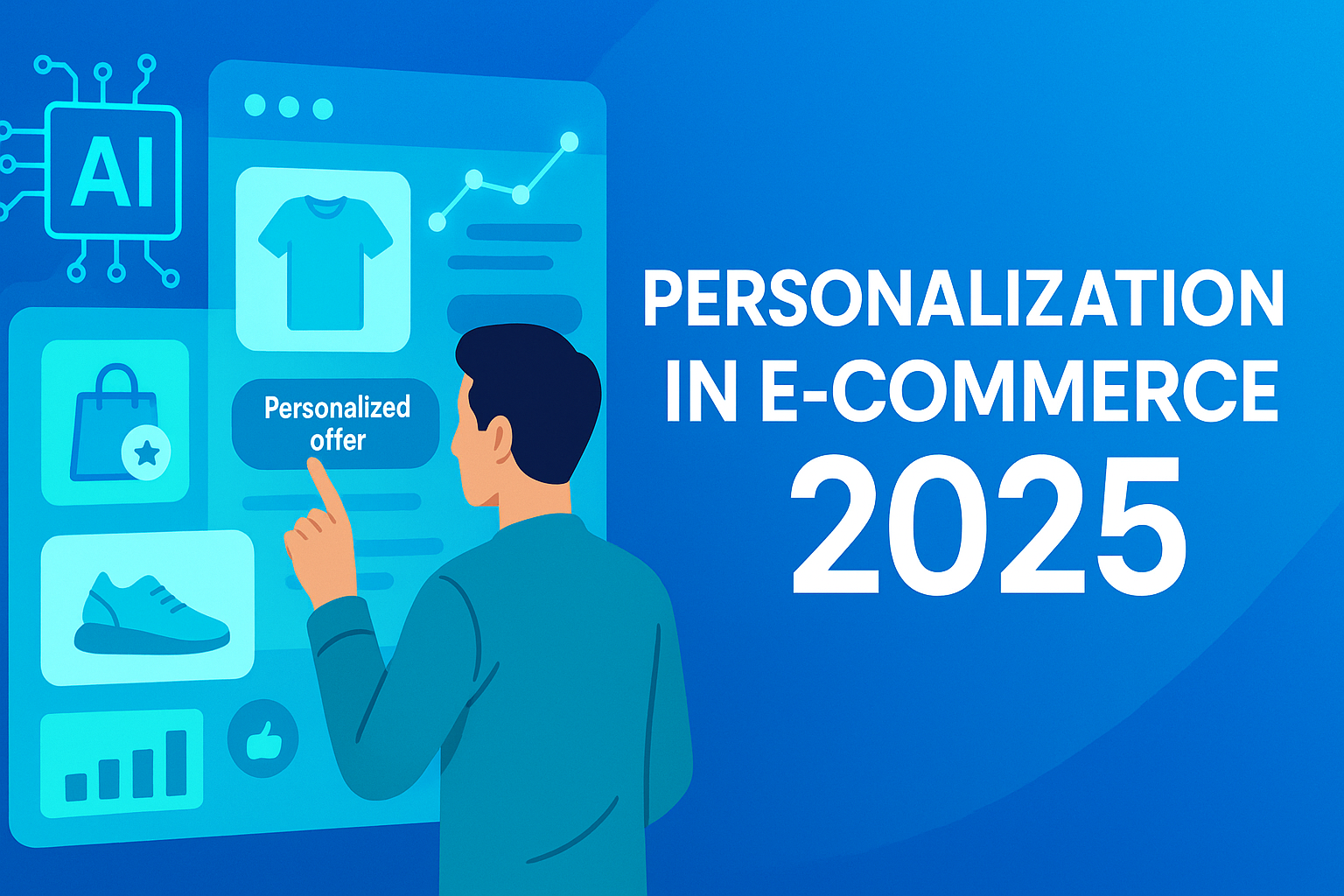
AI-driven personalization allows e-commerce businesses to analyze user behavior, anticipate needs, and deliver tailored experiences that increase engagement, satisfaction, and ultimately, conversions. In 2025, personalization is no longer optional—it’s essential for brands that want to stay competitive and retain loyal customers.
In this blog, we’ll explore how AI is revolutionizing e-commerce personalization, the strategies businesses are using, and why it’s crucial for driving higher conversion rates.
AI Personalization: How It Works
At its core, AI personalization uses machine learning algorithms, data analytics, and predictive modeling to understand each customer’s behavior. This includes tracking:
- Browsing history
- Purchase patterns
- Time spent on product pages
- Cart behavior
- Search queries
By analyzing this data, AI can provide individualized recommendations, dynamically adjust pricing or promotions, and even customize website content to match user interests. The result is a shopping experience that feels intuitive, relevant, and highly engaging.
Product Recommendations That Convert
One of the most powerful applications of AI personalization is product recommendations. Platforms like Amazon have set the benchmark with “Recommended for You” sections that suggest items based on browsing and purchase history.
In 2025, AI systems are more sophisticated, offering:
- Personalized homepage feeds
- Related product suggestions
- Bundled deals tailored to preferences
- Predictive recommendations based on trends and past behavior
These recommendations encourage upsells and cross-sells, increasing average order value and conversion rates.
Dynamic Pricing and Offers
AI can also optimize pricing strategies. By analyzing customer behavior, demand, competitor pricing, and inventory, AI can suggest dynamic discounts and personalized promotions.
For example, a returning customer may receive an exclusive discount for items they’ve shown interest in but haven’t purchased. Personalized offers like these make shoppers feel valued, encouraging them to complete purchases and fostering loyalty.
Enhanced Email Marketing and Notifications
Email remains a key tool for e-commerce, but generic newsletters rarely perform well. AI allows businesses to craft personalized email campaigns based on user behavior and preferences.
- Sending product recommendations based on browsing history
- Triggering cart abandonment emails with relevant reminders
- Offering special promotions tailored to user interests
This level of personalization increases open rates, click-through rates, and ultimately, sales.
Personalized User Experiences on Websites and Apps
AI personalization is not limited to emails. Websites and mobile apps can adapt dynamically to each user. Features include:
- Custom homepage layouts
- Personalized banners and messaging
- Interactive chatbots that guide users based on behavior
- AI search functions that predict user queries
By creating a seamless, intuitive experience, businesses reduce friction, keep customers engaged, and increase the likelihood of completing a purchase.
AI-Powered Chatbots and Virtual Assistants
AI chatbots enhance personalization by offering real-time support and guidance. They can:
- Recommend products based on customer queries
- Answer questions about shipping, returns, or product details
- Suggest complementary items in real-time
These smart assistants create a personalized and human-like experience, improving customer satisfaction and boosting conversions.
Personalization Across Multiple Channels
In 2025, customers expect a consistent personalized experience across all touchpoints—websites, apps, social media, and even in-store interactions. AI enables omnichannel personalization, ensuring that users receive consistent recommendations, messaging, and promotions no matter where they interact with your brand.
This cohesive experience strengthens brand loyalty and encourages repeat purchases.
The ROI of AI Personalization
Businesses that invest in AI-driven personalization see measurable results. Studies show:
- Increased conversion rates by 10–30%
- Higher average order value
- Improved customer retention
- Reduced cart abandonment
Personalization isn’t just a nice-to-have; it directly impacts revenue and long-term growth.
Future Trends in AI Personalization
As technology evolves, personalization will become even more sophisticated in 2025:
- Hyper-personalization using real-time behavior and contextual data
- Voice-activated shopping assistants providing tailored suggestions
- Augmented Reality (AR) and Virtual Reality (VR) personalized experiences
- Predictive analytics anticipating customer needs before they even shop
These advancements will make AI-powered personalization the core of e-commerce strategies worldwide.
Conclusion
AI-driven personalization is revolutionizing e-commerce by delivering tailored experiences that increase customer satisfaction and boost conversions. From product recommendations and dynamic pricing to personalized emails and AI chatbots, businesses can create meaningful, relevant interactions that drive engagement and loyalty.
In 2025, personalization is no longer a luxury—it’s a necessity for businesses that want to stand out in a crowded online marketplace. By leveraging AI, e-commerce brands can provide seamless, intuitive, and enjoyable shopping experiences that not only meet but exceed customer expectations.
Businesses that embrace AI personalization today are not only enhancing conversions but also building long-term relationships with their customers, ensuring sustainable growth in the years to come.