
Introduction
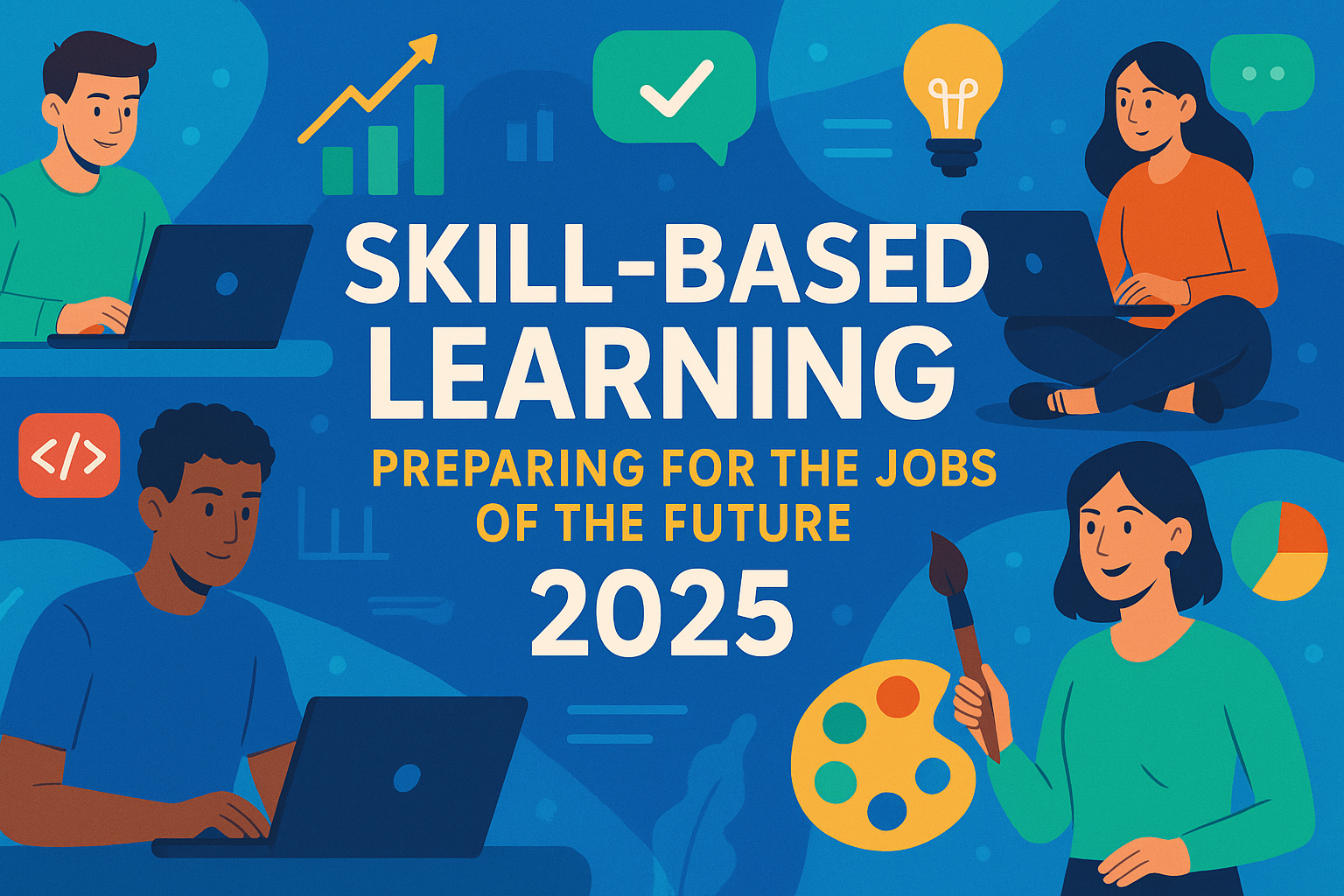
The job market is evolving rapidly in 2025, driven by technological advancements, automation, and artificial intelligence. Traditional degrees alone are no longer enough to secure career success. Skill-based learning is emerging as a vital approach to prepare for the jobs of the future, focusing on practical, industry-relevant skills rather than solely on theoretical knowledge.
This blog explores the concept of skill-based learning, its benefits, and strategies to acquire the skills that will shape tomorrow’s workforce.
What is Skill-Based Learning?
Skill-based learning emphasizes hands-on, practical abilities that directly relate to professional performance. It focuses on:
- Industry-relevant technical skills
- Soft skills like communication, problem-solving, and adaptability
- Continuous upskilling and lifelong learning
Unlike traditional education, which often prioritizes broad knowledge, skill-based learning equips individuals with competencies that employers actively seek.
Why Skill-Based Learning Matters in 2025
- Rapid Technological Change
AI, automation, and emerging technologies are transforming industries. Workers need specialized skills to remain relevant. - Job Market Competitiveness
Employers increasingly value demonstrable skills over formal degrees. Skill certifications and portfolios showcase your abilities. - Flexibility and Lifelong Learning
Skill-based learning encourages continuous growth, enabling individuals to pivot careers or advance in their current roles. - Bridging the Talent Gap
Industries face shortages in specific technical and digital skills. Skill-based education helps meet this demand efficiently.
Top Skill Categories for Future Jobs
1. Digital and Technical Skills
- Coding, programming, and software development
- Data analysis, machine learning, and AI
- Cloud computing and cybersecurity
2. Creative and Design Skills
- Graphic design, UX/UI design, and multimedia production
- Digital content creation and storytelling
- Marketing and branding expertise
3. Soft Skills and Leadership
- Critical thinking and problem-solving
- Communication, collaboration, and emotional intelligence
- Adaptability, resilience, and decision-making
4. Emerging Industry-Specific Skills
- Renewable energy and sustainability practices
- Health technology and telemedicine skills
- Advanced manufacturing, robotics, and automation expertise
Strategies to Acquire Future-Ready Skills
- Online Learning Platforms
Platforms like Coursera, Udemy, LinkedIn Learning, and Skillshare offer courses tailored to emerging job requirements. - Hands-On Projects and Internships
Practical experience solidifies learning and showcases your capabilities to employers. - Certifications and Microcredentials
Short-term, recognized certifications validate skills quickly and boost employability. - Mentorship and Networking
Learning from industry experts provides guidance, insights, and career opportunities. - Continuous Practice and Upskilling
Regularly updating your skill set ensures you stay ahead in a dynamic job market.
Benefits of Skill-Based Learning
- Employability: Aligns with industry needs, increasing job prospects.
- Career Growth: Enables rapid progression through specialized expertise.
- Confidence: Demonstrated skills build professional confidence.
- Adaptability: Prepares workers for industry disruptions and emerging roles.
Skill-based learning empowers individuals to take control of their career paths and remain competitive in a fast-evolving workforce.
Conclusion
Skill-based learning is no longer optional—it is essential in 2025. By focusing on practical, industry-relevant skills, individuals can prepare for the jobs of the future, adapt to technological advancements, and thrive in an ever-changing job market.
Embracing skill-based learning ensures that learners are ready, resilient, and highly employable, equipping them to succeed in a world where expertise and adaptability matter more than ever.