

Introduction
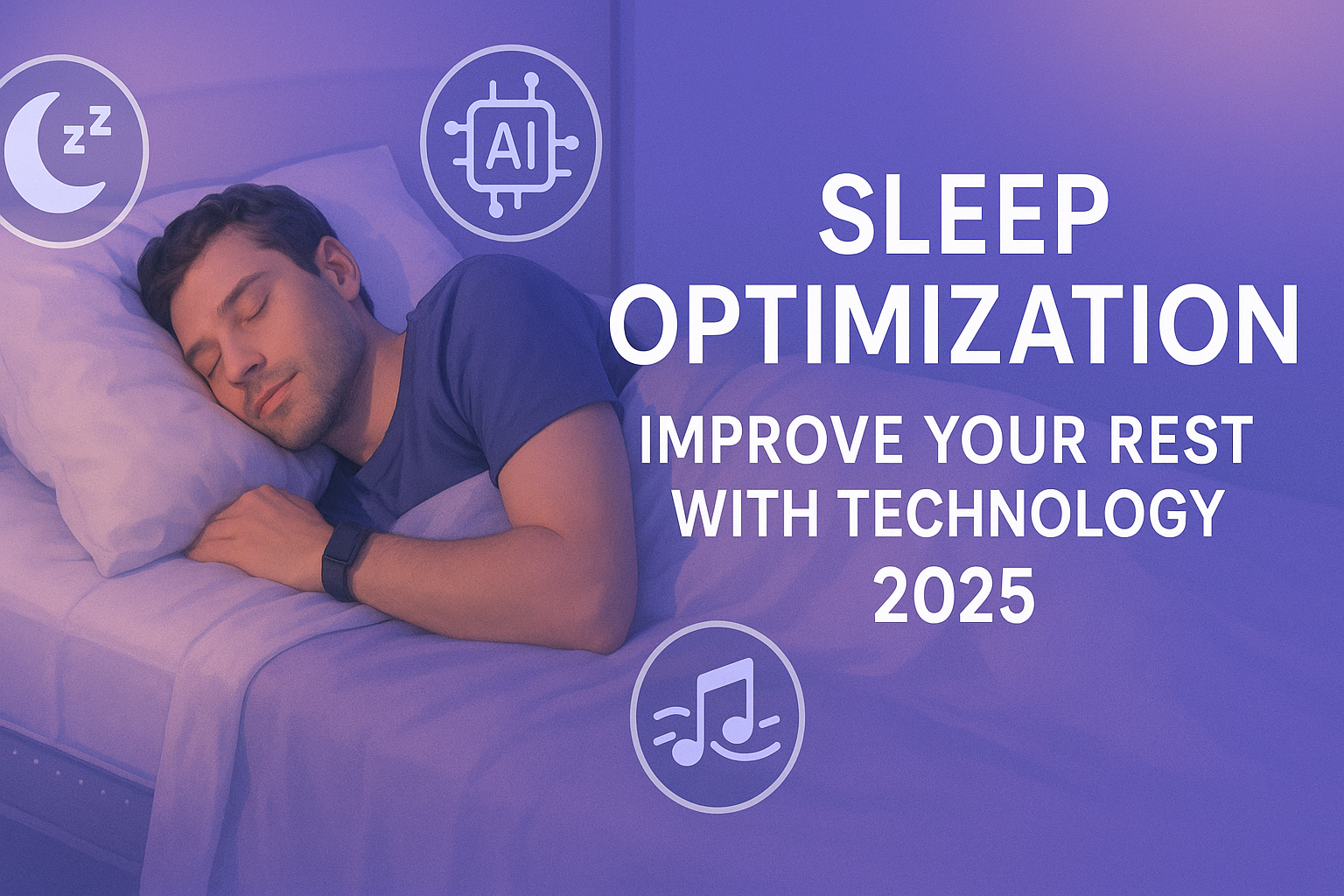
In 2025, getting quality sleep is no longer just about going to bed early—it’s about optimizing your rest using modern technology. Sleep is crucial for physical health, mental clarity, immunity, and overall well-being. Yet, busy schedules, stress, and screen time often interfere with a good night’s rest.
Technology offers innovative solutions, from smart mattresses and sleep trackers to apps that analyze your sleep patterns and improve sleep quality. This blog explores how technology can help optimize your sleep, allowing you to wake up refreshed, energized, and ready for the day.
1. Sleep Tracking Devices
Sleep trackers have evolved far beyond basic wearable gadgets. Modern devices monitor:
- Sleep stages (light, deep, REM)
- Heart rate and breathing patterns
- Movement and restlessness
- Environmental factors like noise and temperature
These insights help users understand their sleep quality, identify patterns, and make informed adjustments to improve rest.
2. Smart Mattresses and Sleep Surfaces
Smart mattresses adjust firmness, temperature, and support throughout the night to enhance comfort. Features may include:
- Temperature regulation for optimal sleep
- Sleep position tracking and adjustments
- Vibration or gentle movement to wake users during light sleep
By creating a personalized sleep environment, smart mattresses can significantly enhance rest and recovery.
3. Sleep Apps and Digital Programs
A wide range of apps now provide tools to support better sleep:
- Guided meditations and relaxation exercises
- White noise, nature sounds, or calming music
- Sleep scheduling and bedtime reminders
- Personalized insights and sleep score tracking
These apps make it easier for users to unwind and maintain consistent sleep routines.
4. Blue Light and Screen Management
Exposure to blue light from smartphones, tablets, and computers disrupts melatonin production, making it harder to fall asleep. Technology offers solutions:
- Blue light filters on devices
- Smart lighting systems that adjust brightness and warmth
- Night mode settings on phones and laptops
Limiting blue light exposure in the evening can improve both sleep onset and quality.
5. Wearable Sleep Aids
Wearables such as smartwatches and rings now track sleep and offer actionable tips:
- Vibrating alarms that wake users during light sleep
- Stress and heart rate monitoring for sleep improvement
- Insights on sleep cycles and energy optimization
These tools provide a more scientific, data-driven approach to sleep management.
6. Environmental Optimization Technology
Smart bedroom technology helps maintain the perfect sleep environment:
- Thermostats that adjust room temperature automatically
- Air purifiers for cleaner air quality
- Smart blinds that simulate natural sunrise for gentle waking
- Noise-canceling devices or ambient sound machines
A comfortable, calm environment is key for achieving restorative sleep.
7. Personalized Sleep Coaching and AI Insights
AI-powered platforms now provide personalized recommendations based on your habits and sleep data. They can suggest:
- Optimal bedtime and wake-up times
- Ideal sleep duration
- Lifestyle adjustments to improve quality of rest
With AI, sleep optimization becomes proactive rather than reactive, making it easier to maintain long-term healthy sleep patterns.
8. Benefits of Sleep Optimization Technology
- Improved Energy and Focus: Waking up fully rested enhances productivity.
- Better Physical Health: Adequate sleep supports immune function, weight management, and heart health.
- Mental Well-Being: Optimized sleep reduces stress, anxiety, and cognitive fatigue.
- Enhanced Recovery: Athletes and fitness enthusiasts benefit from faster recovery and improved performance.
Conclusion
Sleep optimization through technology is transforming how we rest in 2025. From smart mattresses and sleep trackers to apps, AI coaching, and environmental adjustments, technology provides actionable tools for better sleep.
By embracing these innovations, individuals can improve energy, boost immunity, enhance mental clarity, and achieve a healthier, more productive lifestyle. A good night’s sleep is no longer just a dream—it’s a measurable, achievable goal with the right technology.