
Introduction
As the world becomes more environmentally conscious, sustainable eating is quickly becoming a priority for households everywhere. One of the most impactful ways to live sustainably is by reducing food waste at home. Every year, millions of tons of edible food end up in landfills—food that required water, energy, and transportation to produce. Reducing this waste not only helps the planet but also saves money, improves nutrition, and encourages mindful living.
This blog explores practical, simple, and effective strategies to help you reduce food waste and embrace a more sustainable eating lifestyle at home.
Understanding the Problem: Why Food Waste Matters
Food waste is more than just throwing away leftovers—it represents wasted resources, energy, and environmental impact. When food decomposes in landfills, it releases methane, a powerful greenhouse gas that contributes to climate change. Additionally, the global demand for food continues to rise, putting pressure on agricultural systems.
By reducing waste at home, every individual can contribute to a more sustainable food system and minimize their carbon footprint.
Smart Ways to Reduce Food Waste at Home
1. Plan Your Meals in Advance
Meal planning is one of the easiest and most effective ways to reduce waste. When you plan your weekly meals, you only buy what you need and avoid impulse purchases. Planning also helps you use ingredients creatively throughout the week.
2. Create a Shopping List and Stick to It
A well-organized shopping list prevents you from overbuying. Check your fridge, pantry, and freezer before shopping to avoid purchasing duplicate items.
3. Understand Food Labels
Terms like “best before,” “sell by,” and “use by” can be confusing. In many cases, food is still safe to eat well after the “best before” date. Learn the difference to avoid throwing away perfectly good food.
4. Store Food Properly
Improper storage leads to faster spoilage. Using airtight containers, keeping produce in the right sections of your refrigerator, and maintaining proper temperature helps extend freshness.
5. Use Leftovers Creatively
Leftovers don’t have to be boring. Turn yesterday’s cooked vegetables into soup, use overripe fruits in smoothies, or repurpose rice into fried rice. Creativity in the kitchen can significantly cut waste.
6. Freeze What You Can’t Use Right Away
Freezing is one of the most underrated tools for reducing waste. Bread, fruits, vegetables, cooked meals, herbs, and even cheese can be frozen and used later without losing quality.
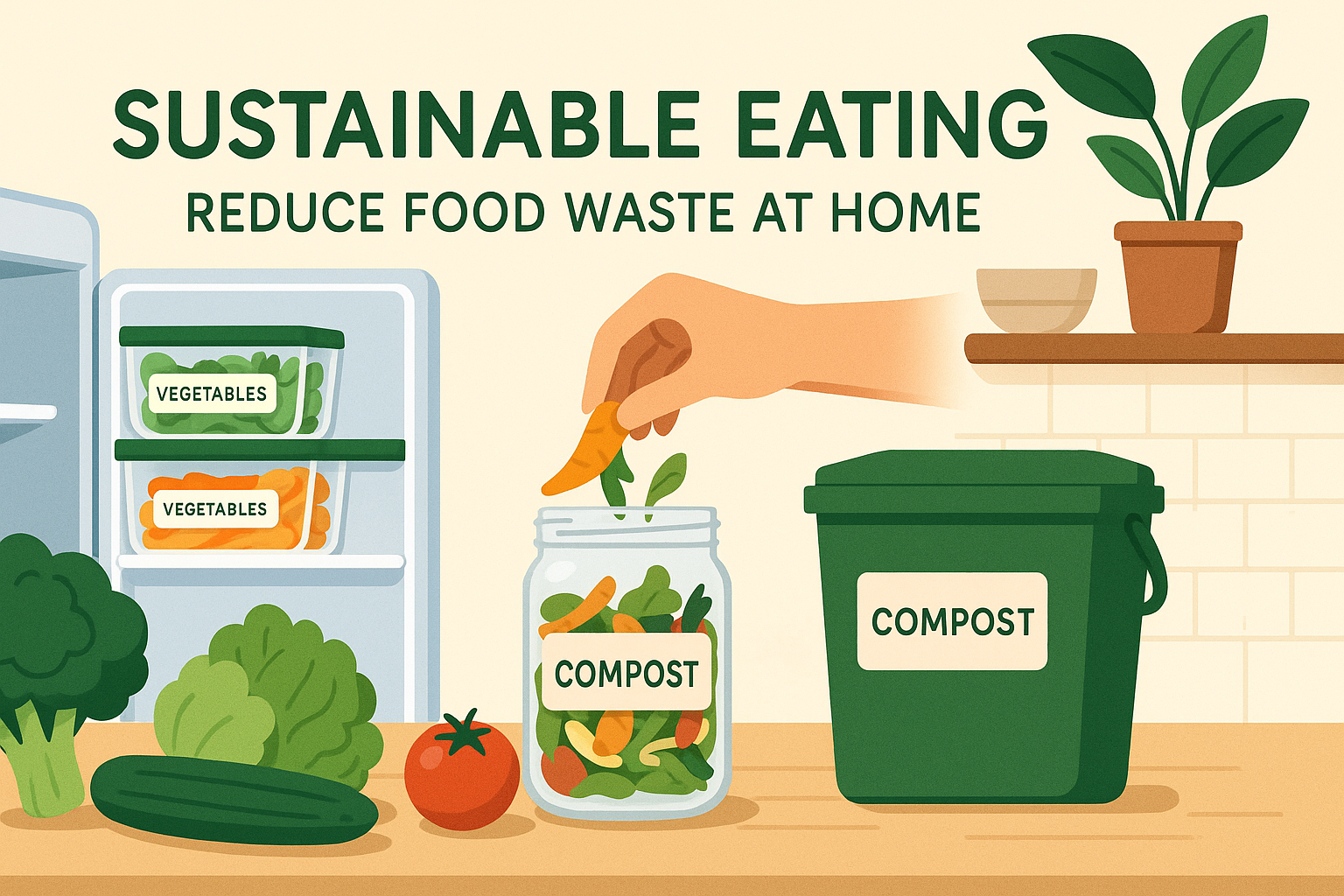
7. Compost Food Scraps
Not all waste is avoidable, but composting fruit peels, coffee grounds, eggshells, and other biodegradable scraps helps create nutrient-rich soil and keeps waste out of landfills.
8. Portion Meals Properly
Cooking or serving more than you need often leads to leftovers that get thrown away. Start with smaller portions and go back for seconds if needed.
9. Keep Sight of What’s in Your Kitchen
Items hidden at the back of your refrigerator or pantry are more likely to spoil. Use the “first in, first out” rule—consume older items before newer ones.
Benefits of Reducing Food Waste
Lower Grocery Bills
When you buy only what you need and use everything you buy, your monthly food expenses drop significantly.
Healthier Eating Habits
Mindful eating encourages healthier choices. You become more aware of what you consume and plan more nutritious meals.
Environmental Impact
Reducing waste cuts greenhouse gas emissions and saves natural resources like water, land, and energy.
More Organized Kitchen
A clutter-free kitchen helps you cook efficiently, find ingredients easily, and enjoy mealtime more.
Greater Appreciation for Food
Waste reduction naturally leads to gratitude—an appreciation for the effort, time, and resources that go into producing food.
Simple Sustainable Eating Habits to Adopt
- Choose local and seasonal foods
- Support eco-friendly brands
- Cook at home more often
- Avoid single-use plastics
- Eat more plant-based meals
- Preserve food by pickling, fermenting, or drying
- Share excess food with family or neighbors
These small habits, when practiced regularly, create long-lasting positive change.
Conclusion
Reducing food waste at home is a simple yet powerful step toward sustainable eating. With mindful planning, smarter shopping, proper storage, and creative cooking, anyone can dramatically cut down on waste while saving money and improving overall health. Sustainability doesn’t require complex changes—just consistent, thoughtful actions.
By adopting these habits at home, you contribute to a healthier planet, a more efficient kitchen, and a more mindful approach to the food you eat.
